Trump is presented daily with options to end the war in Iran. He hasn’t taken any so far.

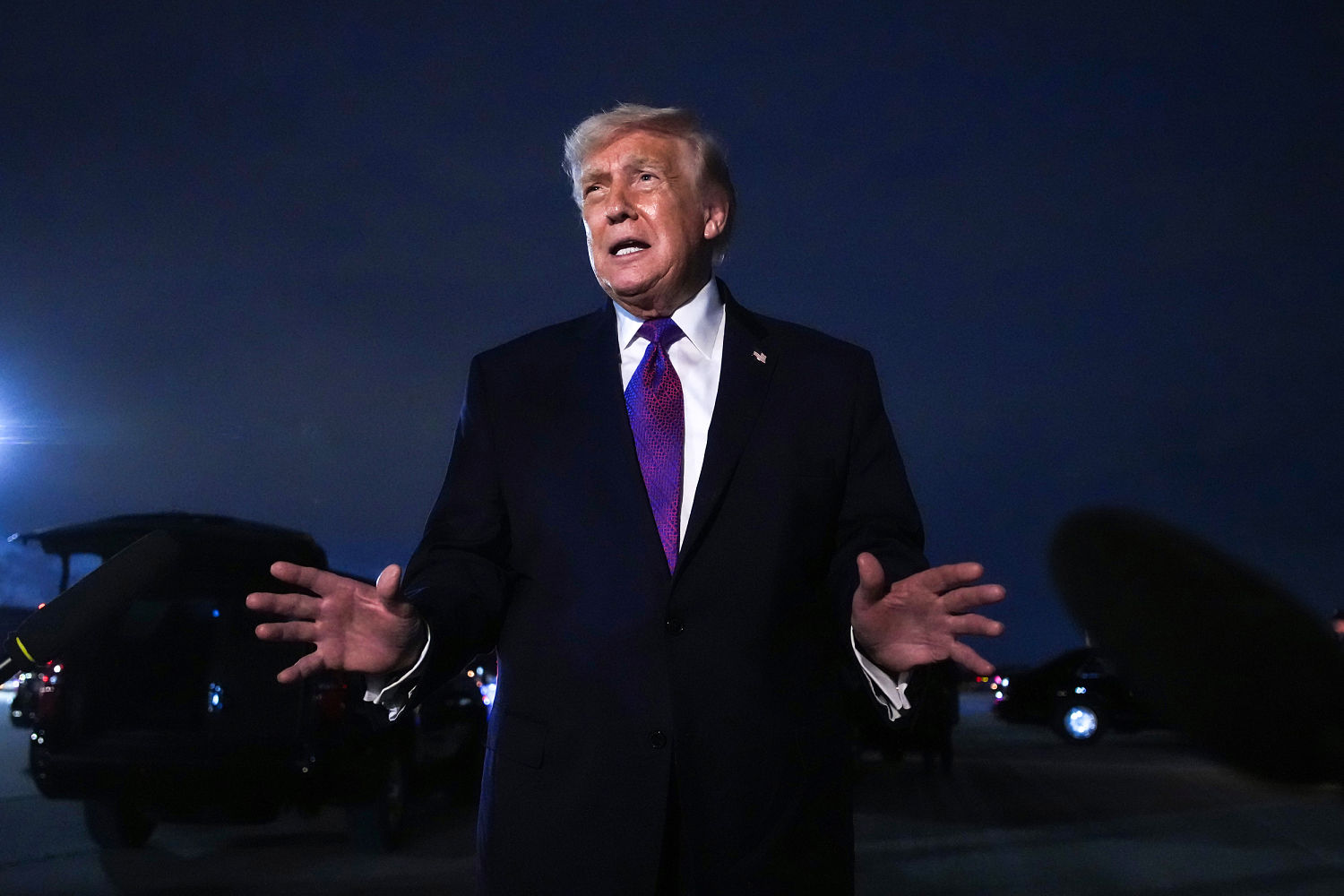
Trump said that he had reached out to several countries asking them to help police the strait, including China, France, Japan, South Korea and the United Kingdom.
“We are talking to other countries about working with us on the policing of the strait, and I think we get a good response,” Trump said. “If we do, that’s great, and if we don’t, that’s great too.”
The president threatened delaying his summit with Chinese President Xi Jinping and predicted a “very bad” future for NATO if they failed to join, though Treasury Secretary Scott Bessent said Monday on CNBC that the Xi summit would be delayed if Trump chose to stay in Washington to coordinate on Iran, not because of demands over the strait.
Leaders from Berlin to London have indicated they had no immediate plans to provide military support to reopen the crucial waterway.
Trump and administration officials are also hoping Israel will pause strikes on Iranian oil fields over concerns about oil prices and losing possible leverage with Iran to negotiate an end to the war, according to three of the people familiar with the discussions, even as the president has seemed to downplay the impact that rising costs were having on consumers.
“When oil prices go up, we make a lot of money,” he said Thursday on Truth Social.
The price of oil soared and stocks tumbled on the ripple effects the oil market disruption was causing, and the International Energy Agency warned the war was “creating the largest supply disruption in the history of the global oil market.”
In a podcast that aired last week, David Sacks, Trump’s czar for artificial intelligence, urged the president to bring the war to a close, the first time that a senior figure in the White House had publicly broken with the president over the war.
“I agree that we should try to find the off-ramp,” Sacks said on an episode of “All In.” “This is a good time to declare victory and get out and that is clearly what the markets would like to see.”
But even if Trump chooses to declare victory and call a halt to the war, it’s not clear that the Iranian regime would agree to terms dictated by the president.
“We did not send any message and did not request a ceasefire, but this war must end in a way that it will not be repeated,” Araghchi said, as reported by the semi-official Fars News agency.
Instead, the regime could renew its efforts to thwart commercial ships in the Strait of Hormuz with drone attacks, keeping oil prices high and ratcheting up political pressure on Trump.
The hard-line regime in Iran will almost certainly still be in place, albeit with a decimated military. U.S. intelligence assessments suggest there are no indications of an imminent collapse of the clerical and military establishment that rules the country, NBC News has previously reported.
After the 12-day war in June between Israel and Iran, some hard-line voices in Iranian newspapers questioned the government’s decision to agree to a ceasefire with Israel instead of forcing its adversary to use up more of its supply of costly air defense systems.
Siamak Namazi, an American businessman and an analyst on Iran who was held hostage for nearly eight years by the regime, said the country’s leaders believe they are in an existential fight.
“They are banking that their threshold for pain is far higher than their opponents’. And they will do their best to make sure when this war is over, they are standing and that the U.S. and Israel don’t launch another round of attacks after this war stops,” he said.
“The regime’s key objective is survival. If they are standing when the bombs stop, they will consider themselves having won,” Namazi said.