A new jobs report on Friday will provide a key barometer for the U.S. economy as markets roil and gasoline prices surge in response to the war with Iran.
The jobs report — which details hiring in February — is set to offer a snapshot of the labor market weeks before the Middle East conflict cast fresh uncertainty over the economic outlook.
Economists expect employers to have added 50,000 jobs in February, which would mark a sharp slowdown from 130,000 workers hired in the previous month.
The surprisingly robust job gains at the outset of 2026 departed from lackluster performance over the course of last year. The U.S. added an average of about 15,000 jobs per month in 2025, U.S. Bureau of Labor Statistics data showed.
The hiring cooldown last year prompted interest rate cuts at the Federal Reserve and concern among some observers about the nation’s economic prospects. Sluggish hiring has coincided with elevated inflation, threatening a period of “stagflation.”
Those economic headwinds helped set the conditions before the outbreak of war with Iran, which spiked oil prices and risked price increases for a host of diesel-fuel transported goods.
The Dow Jones Industrial Average plunged 785 points on Thursday as U.S. crude prices rose to their highest level since June.

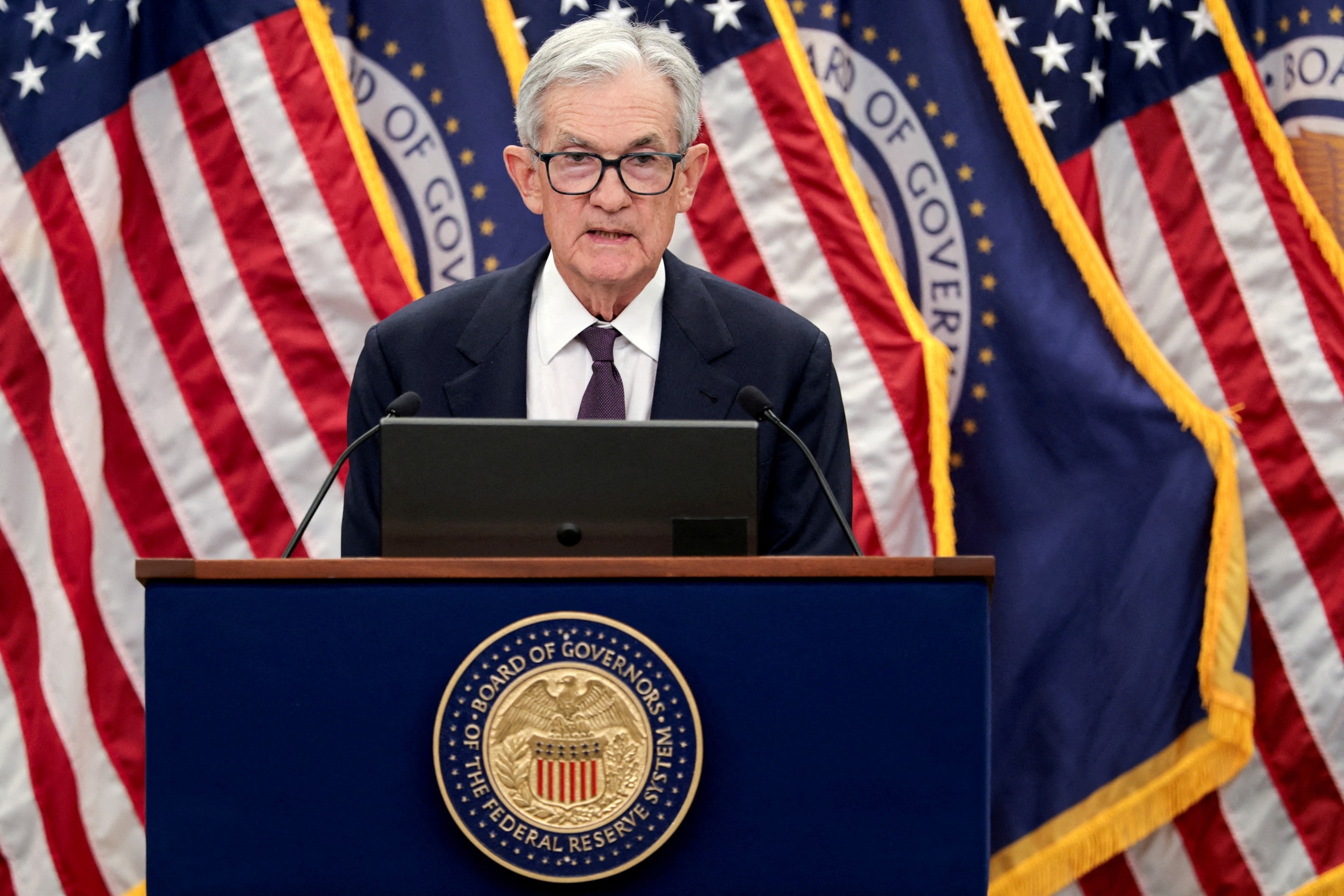
In this Jan. 28, 2026, file photo, U.S. Federal Reserve Chair Jerome Powell speaks during a press conference in Washington, D.C.,
Jonathan Ernst/Reuters, FILE
Still, the overall economic picture remains mixed.
A government report in February on gross domestic product (GDP) showed the economy grew at a tepid annualized pace of 1.4% over the final three months of 2025. That reading indicated a dramatic cooldown from the strong annualized growth of 4.4% recorded in the previous quarter, U.S. Commerce Department data showed.
Price increases, meanwhile, have softened. In January, inflation fell to 2.4%, its lowest level in nine months. It remains slightly higher than the Federal Reserve’s target rate of 2%.
The Iran war threatens to slow U.S. economic growth since oil-driven price increases could weigh on consumers and businesses, analysts previously told ABC News.
The potential combination of higher inflation and slower growth could also pose a challenge for the Fed, putting pressure on both sides of its dual mandate to manage prices and maintain maximum employment.
If the Fed opts to lower borrowing costs, it could spur growth but risk higher inflation. On the other hand, the choice to raise interest rates may slow price increases but risks a cooldown of economic performance.
The central bank held interest rates steady at its most recent meeting in January, ending a string of three consecutive quarter-point rate cuts. Policymakers will make their next interest-rate decision on March 18.