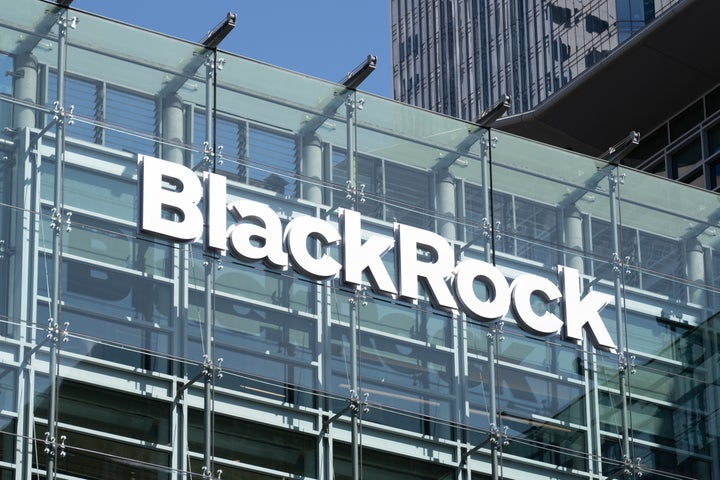
NEW YORK, March 6 (Reuters) – BlackRock said on Friday it has limited withdrawals from a flagship debt fund after a surge in redemption requests, as investor worries mount around the $2 trillion private credit industry.
Shares of the world’s largest asset manager fell 6.7% on the New York Stock Exchange, amid a broader market selloff after worse-than-expected U.S. jobs data and escalating U.S.-Israeli war against Iran.
Sentiment has soured around private credit in recent months, and retail investors are increasingly asking for their money back from funds like BlackRock’s $26 billion HPS Corporate Lending Fund (HLEND), which were designed to be open to wealthy individuals.
“It should serve as a warning sign for the industry and the rulemakers about the downside of illiquid funds for retail investors,” said Greggory Warren, senior stock analyst at Morningstar.
Last year’s bankruptcies of a U.S. auto parts supplier and a subprime auto lender, along with the collapse of a UK mortgage lender last week, have raised questions about lending standards.
Earlier this week, mounting requests prompted rival Blackstone to lift the usual 5% redemption limit on a $82 billion fund to 7%, while the company and its employees invested $400 million to allow all requests to be met. Blue Owl bought back 15.4% of one of its funds in January.

Smith Collection/Gado via Getty Images
HLEND received withdrawal requests worth $1.2 billion in the first quarter, or roughly 9.3% of its net asset value.
It told investors it would pay out $620 million as part of the quarterly redemption, hitting the 5% threshold that is the standard point at which managers of these funds can restrict further withdrawals.
Blue Owl replaced client redemptions at one fund with promised payouts.
“The biggest risk for the alternative asset managers is that a marked increase in loan defaults on the part of their borrowers has an adverse effect on investment performance, which impacts future fundraising and monetizations,” Warren said.
Structural mismatch
HLEND, a business development company (BDC) acquired by BlackRock along with its manager, HPS Investment Partners, in a $12 billion push into private credit in 2024, said withdrawal requests breached the 5% limit for the first time since the fund’s inception.
BDCs raise money, predominantly from retail investors, and use it to extend loans to mid-sized companies that usually cannot be sold quickly, which spells trouble if lots of investors want to sell at once.
Blackstone President Jon Gray said last week that institutional investors were continuing to allocate to private credit.
HLEND said the 5% curb prevents “a structural mismatch between investor capital and the expected duration of the private credit loans in which HLEND invests.”
“By preventing redemptions through gates, fund managers can avoid being forced sellers of assets, which would negatively impact investment returns for the remaining fund investors, given the opacity and illiquidity of the holdings in these funds,” Morningstar’s Warren said.
Subscriptions to the fund were $840 million in the first quarter, lower than the $1.2 billion that investors originally sought to withdraw.
Software exposure
HLEND says its loans are primarily to mature private companies with stable cash flows, and structured to be paid back first if the borrower goes bankrupt. It pays dividends monthly.
According to company documents, 19% of HLEND’s portfolio is tied up in software, a sector that has faced aggressive selling as investors fear disruption from AI-first startups.
Investors are also rushing to safe havens as markets reel with heightened volatility this year, amid mounting concerns of an economic slowdown from a prolonged conflict in the Middle East, AI-fueled disruptions and loan defaults.
HPS said in a statement that it has an opportunity to lean into the volatility.
(Reporting by Ateev Bhandari in Bengaluru; Editing by Vijay Kishore and Sriraj Kalluvila and Chizu Nomiyama)