The women did not speak about their abuse for years because, they have said, Epstein used money and threats to keep them silent. If they told, he warned of financial, reputational or physical harm.
But eventually, some of the women did speak to law enforcement. In 2006, Farmer told an FBI agent investigating allegations against Epstein in Florida about her trip to New Mexico with Epstein and Maxwell a decade earlier. The FBI agent, who was based in Florida, wrote a report based on the interview.
The FBI continued to “develop witnesses and victims from across the United States,” according to an agency memo. That included at least one interview with someone associated with Epstein in New Mexico in early 2007.
But the information about Zorro Ranch went nowhere: After two years of investigation and plea negotiations, Alex Acosta, then the U.S. attorney for the Southern District of Florida, agreed in 2008 to let Epstein plead guilty to state charges and avoid a federal case, in a deal later criticized by a Justice Department watchdog as reflecting “poor judgment.” (Acosta has said that prosecutors opted for a plea deal because they were concerned it would be difficult to secure a conviction at trial.)
The investigation into possible New Mexico crimes ended.
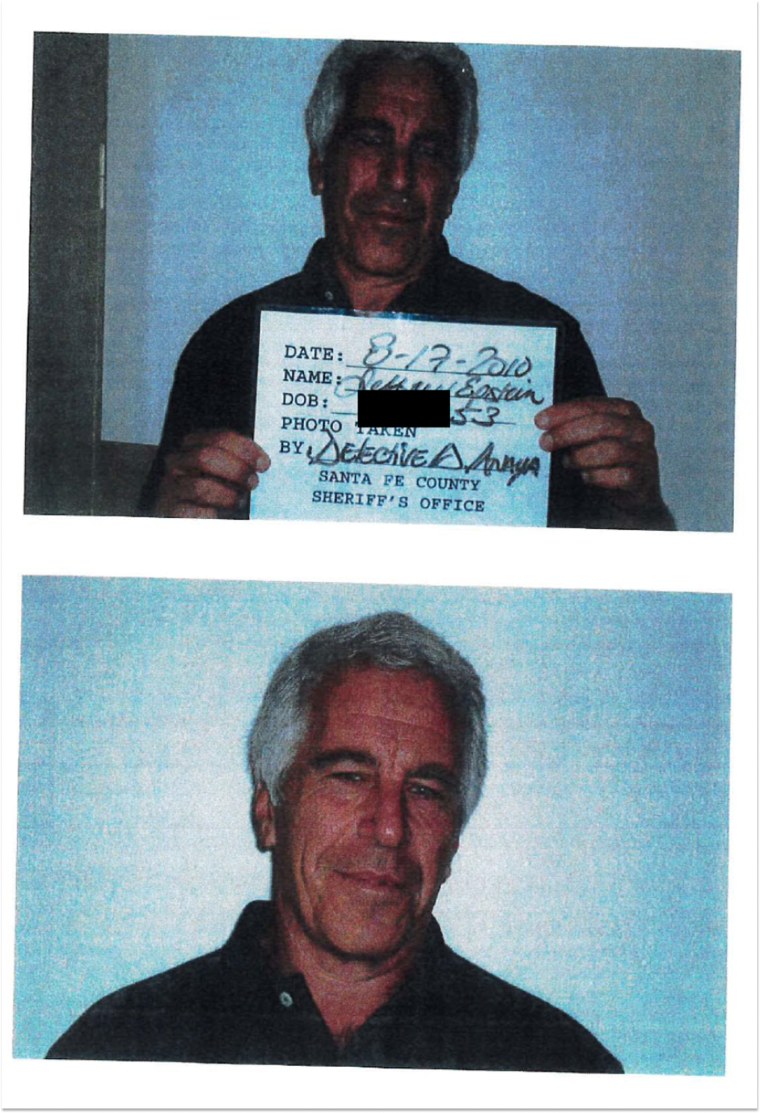
In 2009, Epstein completed his Florida jail term and, as part of his plea agreement there, began the process of registering as a sex offender in the places he lived. In New Mexico, the state Department of Public Safety notified Epstein by letter that he needed to register with the local sheriff.

But a month later, after a detective met Epstein at his ranch, the state said in a second letter that he did not have to register after all. Because Epstein had pleaded guilty in Florida to misconduct with a victim over the age of 16, which is the age of consent in New Mexico, authorities determined he had not committed a child sex offense that required registration, according to a later Justice Department review. Epstein also had sexual contact with a 14-year-old victim, according to a report that her mother made to police in Palm Beach, Florida, but that wasn’t included in the plea deal and so didn’t matter for the New Mexico sex offender registry.
That meant Epstein didn’t have to check in with New Mexico police and didn’t have his name placed on an online list. The Justice Department review later determined that Epstein’s lawyers “thoroughly researched” how the deal would affect Epstein’s sex offender registration in other states, but prosecutors “failed to anticipate” that Epstein would escape the sex-offender registry in New Mexico.
Epstein continued to host scientists, celebrities and tech executives at his ranch — and continued to bring at least one victim. A woman who called herself Priscilla Doe said in a lawsuit years later that Epstein took her to New Mexico repeatedly from 2007 to 2010, using wealth and threats to coerce her into having sex with him and his friends.
Priscilla Doe said that when she met Epstein in New York, she was a poor aspiring ballet dancer in her early 20s who needed cash to pay her mother’s rent. Epstein repeatedly told her “that her opportunities were endless as long as she complied with his dictates but that he could take it all away from her if she did not,” according to her suit.
Epstein’s lease of state land shows how little scrutiny he received from New Mexico, even after he became notorious. State officials have broad discretion to decide who gets to lease public lands, but for decades they renewed Epstein’s lease of 1,200 acres without complaint, even though his stated purpose, cattle grazing, was later deemed dubious by state authorities.