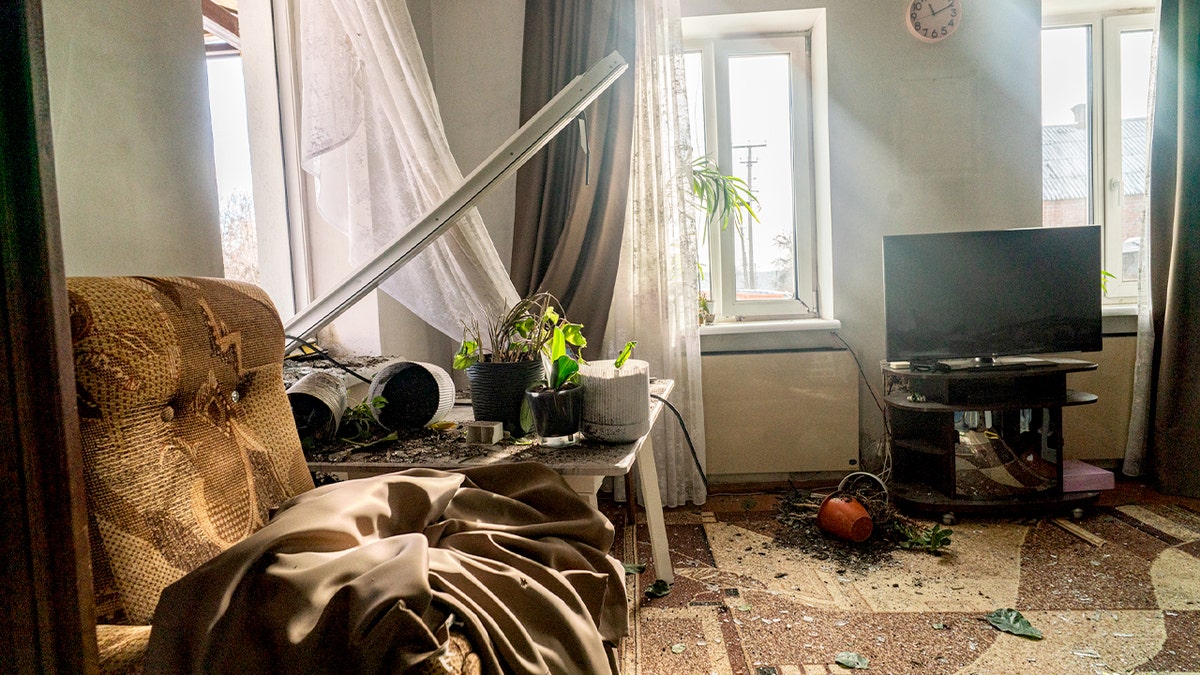
A bombshell Pacific Palisades wildfire recovery plan has called for nearly $1 billion in upgrades to infrastructure that was destroyed in the devastating blazes.
The proposal includes projects through 2033, which involve more than $650 million for electrical undergrounding lines after nearly 57% of all electrical points were destroyed and another $150 million for replacing aging and leaky water main pipelines, the LA Times reported.
The reports were done by infrastructure firm AECOM, commissioned by Los Angeles city officials for $5 million. An additional $3 million has been set aside for the company for long-term recovery planning.
Los Angeles Mayor Karen Bass sent a letter to Palisades residents that included links to the reports.
She wrote: “Full recovery is a long-term, multi-year effort that requires sustained coordination — and it must continue to be community-led.
“This past year has been unimaginable for the Palisades community, but I remain committed to supporting you through every step of the recovery.”
The reports focused on three things: public infrastructure restoration, wildfire resilience, and logistics and traffic management once construction gets underway.
Some of the things that stood out in the report include:
- That almost “all” local streets within the Palisades-particularly in the Alphabet Streets, Rustic Canyon and Castellammare areas-are narrower than permitted by the city fire code.
- A “majority” of long, dead-end streets did not meet fire code, allowing fire engines to have enough space to turn around.
- Evacuation warning fatigue from “frequent false alarms” made residents hesitant to leave the area.
It also found that simply clearing vegetation around homes was “not enough” to “meaningfully reduce wildfire risk in the Palisades,” due to its topography and dense vegetation.
In response, the city needs to work with state and county land managers on measures such as “cutting gaps in vegetation for firefighter access, maintaining defensible space around community infrastructure” and restoring native plants.
The report outlined other improvements like “building larger pipelines and additional tanks to move and store more drinking water; improving connections between local water systems; and tapping stormwater, treated wastewater” or even water from the Pacific.
It also included improving water pressure by “installing pressure monitoring systems” that could “ensure water availability and prevent dry hydrants by streaming live data to fire crews.”
Mayor Bass has come under fire for the response to the deadly blazes, including for leaving the country just days before they ripped through Southern California, leaving the city unprepared.
Earlier this month, The California Post obtained the original draft of the Palisades After-Action Fire Report — before it was quietly altered and released to the public.
One of the most damning edits had to do with language acknowledging insufficient resources to “suppress a wind-driven vegetation fire,” with the department attempting to be “fiscally responsible by not fully augmenting and pre-deploying all available resources in preparation for a rare wind event.”