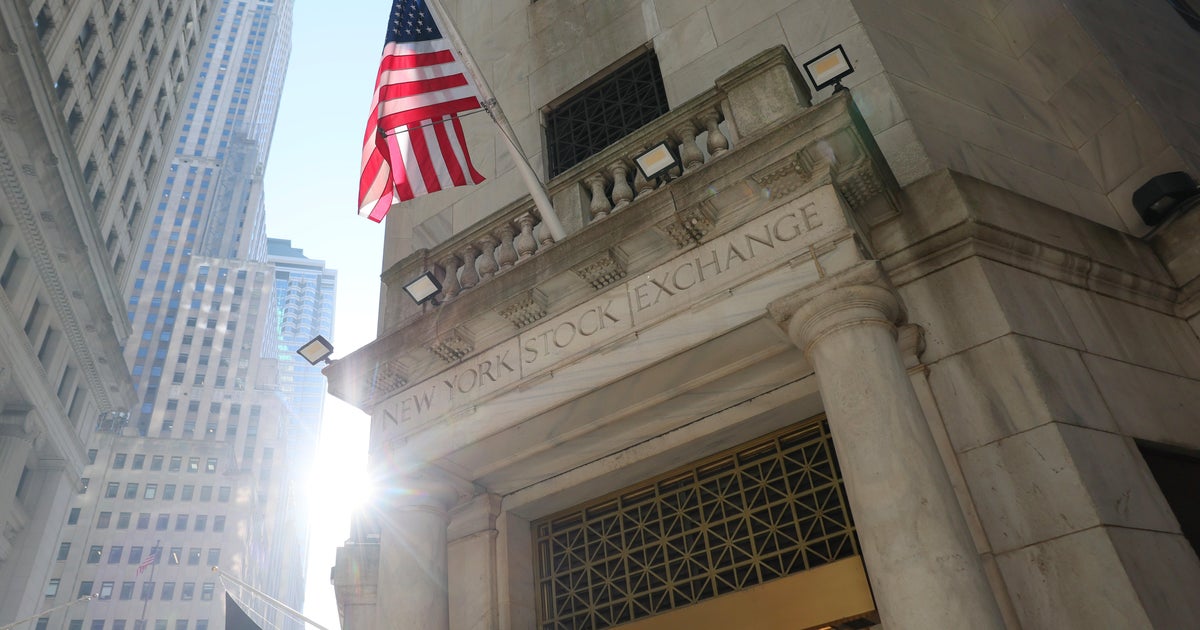
Stocks slid on Friday as higher-than-expected inflation data and mounting fears about artificial intelligence’s economic impact weighed on investors.
The S&P 500 fell 61 points, or 0.9%, in late afternoon trading while the Dow Jones Industrial Average tumbled 701 points, or 1.4%. The tech-heavy Nasdaq Composite sank 1.3%.
The losses followed the release of the Producer Price Index, which measures price changes before they reach consumers. Inflation at the U.S. wholesale level rose 2.9% in January on an annualized basis, much higher than the 1.6% that economists had expected. The hotter-than-expected reading could persuade the Federal Reserve to hold off on rate cuts, experts noted.
Oil prices also climbed as tensions between the United States and Iran escalated over a potential nuclear deal. President Trump has threatened to attack Iran if the country does not agree to rein in its nuclear capabilities.
The price for a barrel of benchmark U.S. crude oil rose 2.5% to $66.82, while Brent crude, the international standard, rose 2.6% to $72.68 per barrel.
AI-related fears shake Wall Street
Fears over AI disruptions that escalated last week continued to rattle Wall Street on Friday, with investors dumping software companies and others whose businesses they suspect could get supplanted by AI-powered competitors.
Block, the company behind Cash App and Square, gave a potential signal of what AI could do after CEO Jack Dorsey said he was cutting its workforce by nearly half, from around 10,000 employees to 6,000. The company’s stock jumped more than 15% Friday afternoon.
“Intelligence tools have changed what it means to build and run a company,” Dorsey said in a letter to investors while announcing Block’s latest profit results. “We’re already seeing it internally. A significantly smaller team, using the tools we’re building, can do more and do it better.”
Block is the latest company to cite a shift to AI as part of its rationale for layoffs. Pinterest and Dow made similar declarations earlier this year when they announced job cuts.
Dorsey, the co-founder of Twitter, also said, “I don’t think we’re early to this realization. I think most companies are late. Within the next year, I believe the majority of companies will reach the same conclusion and make similar structural changes.”
Capable AI tools that can replace humans could also replace entire companies, or at least eat away at their profit margins. Fears about AI disruption have been causing sudden and swift sell-offs for stocks seen as potentially under threat, rolling through industries as different as trucking logistics and legal services.
Salesforce, whose platform helps customers manage their relationships with clients, fell 2.2%. It gave back more than half of its 4% gain from the day before after reporting a better profit than analysts expected.
A widely followed ETF tracking the software industry, meanwhile, sank 1.8% to bring its loss for the year so far to 23.3%.
The pain has also filtered out to private-equity companies that have lent money to software companies, which need to withstand the AI threat to keep repaying their debt. Blue Apollo Global Management dropped 8.5%, and Ares Management sank 6.2%, marking two of the biggest losses in the S&P 500.
Shares of companies with soaring revenue and profit due to AI-related demand also dipped. Nvidia fell 3.5% and was the heaviest weight on the U.S. stock market, a day after dropping to its worst loss since last spring. That’s even though it reported a better profit than analysts expected and forecast higher revenue for the current quarter.
Rival chip companies also fell. Worries are hurting such companies not only about whether their stock prices rose too high in recent years but also whether the huge spending driving their growth can continue.
Winners on Wall Street
On the winning side of Wall Street was Netflix, which climbed 13% after the streaming company dropped its bid to buy Warner Bros. Discovery’s studio and streaming business, paving the way for a deal with Paramount Skydance.
Netflix walked away after Paramount, which owns CBS News, raised its bid for Warner Bros. Discovery to $31 per share earlier this week.
Paramount Skydance shares jumped 19.6%, while Warner Bros. Discovery fell 2.1%.
In the bond market, the yield on the 10-year Treasury was at 3.96%. It briefly swiveled higher following the inflation report, but it’s down from its 4.02% level late Thursday. Treasury yields often fall when nervousness is high and investors are moving into investments that are considered safer.
ln stock markets abroad, indexes were mixed in Europe and Asia. South Korea’s Kospi fell 1% from its latest record, and the United Kingdom’s FTSE 100 rose 0.6% in two of the world’s larger moves.